Prototype mold design helps businesses test product concepts before investing in full-scale tooling. Qlution Mold provides prototype solutions that reduce development time, improve part accuracy, and support product validation across industries. With CAD/CAM integration, CNC machining, and flexible material selection, companies can shorten mold development cycles by 30%–50% while reducing late-stage design changes.
Prototype mold design has become an important part of modern product development because companies need physical samples before starting mass production. A complete production mold may require high investment and long preparation periods, while prototype molds allow engineers to check product structure, assembly performance, and material behavior at an earlier stage.
In industries such as automotive, medical equipment, consumer electronics, and industrial products, companies often create several prototype versions before final manufacturing. A 2024 industry survey showed that more than 60% of product teams perform at least one prototype validation stage before large-scale production. Qlution Mold supports this process by producing molds that provide realistic testing conditions rather than only visual samples.
"A well-designed prototype mold allows engineers to evaluate real manufacturing results before committing to expensive production tooling."
The first advantage of working with Qlution Mold is faster development. Traditional mold production requires detailed engineering reviews, machining preparation, and multiple testing stages. Prototype mold methods reduce the time required for initial evaluation because the tooling process focuses on product verification and engineering feedback.
For example, a company developing a new plastic housing component may need to confirm wall thickness, surface finish, screw placement, and assembly accuracy. A prototype mold can provide real molded parts within a shorter period, allowing engineers to make improvements before final tooling.
| Development Stage | Traditional Approach | Prototype Mold Approach |
|---|---|---|
| Initial design review | Limited physical testing | Real part evaluation |
| Mold modification | Expensive after production tooling | Lower-cost adjustments |
| Product validation | Later-stage feedback | Earlier engineering feedback |
| Development speed | Longer preparation cycle | Faster prototype iteration |
This faster validation process helps companies reduce unnecessary redesign work. Studies from manufacturing organizations have shown that design changes made before production tooling can reduce modification expenses by 25%–40% compared with changes after mass production preparation.
The quality of prototype mold design depends heavily on engineering accuracy. Qlution Mold uses 3D modeling, mold flow analysis, and precision machining methods to evaluate possible issues before manufacturing begins. These steps help engineers review parting lines, gate locations, cooling structures, and mold durability.
A prototype mold is not simply a smaller version of a production mold. It requires different decisions based on testing goals, expected part quantity, and material requirements. Some companies need only 20–50 samples for design confirmation, while others may require several hundred molded parts for functional testing.
Material selection affects prototype performance. Aluminum molds are commonly used when companies need fast machining and lower tooling costs. Steel molds are selected when prototypes require repeated molding cycles or closer production simulation.
| Mold Material | Common Application | Typical Advantage |
|---|---|---|
| Aluminum | Low-volume prototypes | Faster machining and lower cost |
| Soft steel | Medium testing requirements | Better durability |
| Hardened steel | Production-like testing | Longer service life |
Choosing the correct material helps companies balance testing requirements and development budgets. In many prototype projects, selecting suitable tooling materials can reduce initial mold expenses by approximately 20%–35%.
Another reason businesses consider Qlution Mold is manufacturing flexibility. Product developers often work on different designs with changing requirements. A prototype supplier needs to adjust quickly when engineers request modifications to dimensions, materials, or surface treatments.
"Prototype tooling gives product teams more opportunities to improve designs before final manufacturing decisions are made."
This flexibility is especially useful in industries with short product cycles. Consumer electronics companies, for example, may update product designs several times within a year. Automotive suppliers may also need prototype parts to verify new structures before vehicle testing.
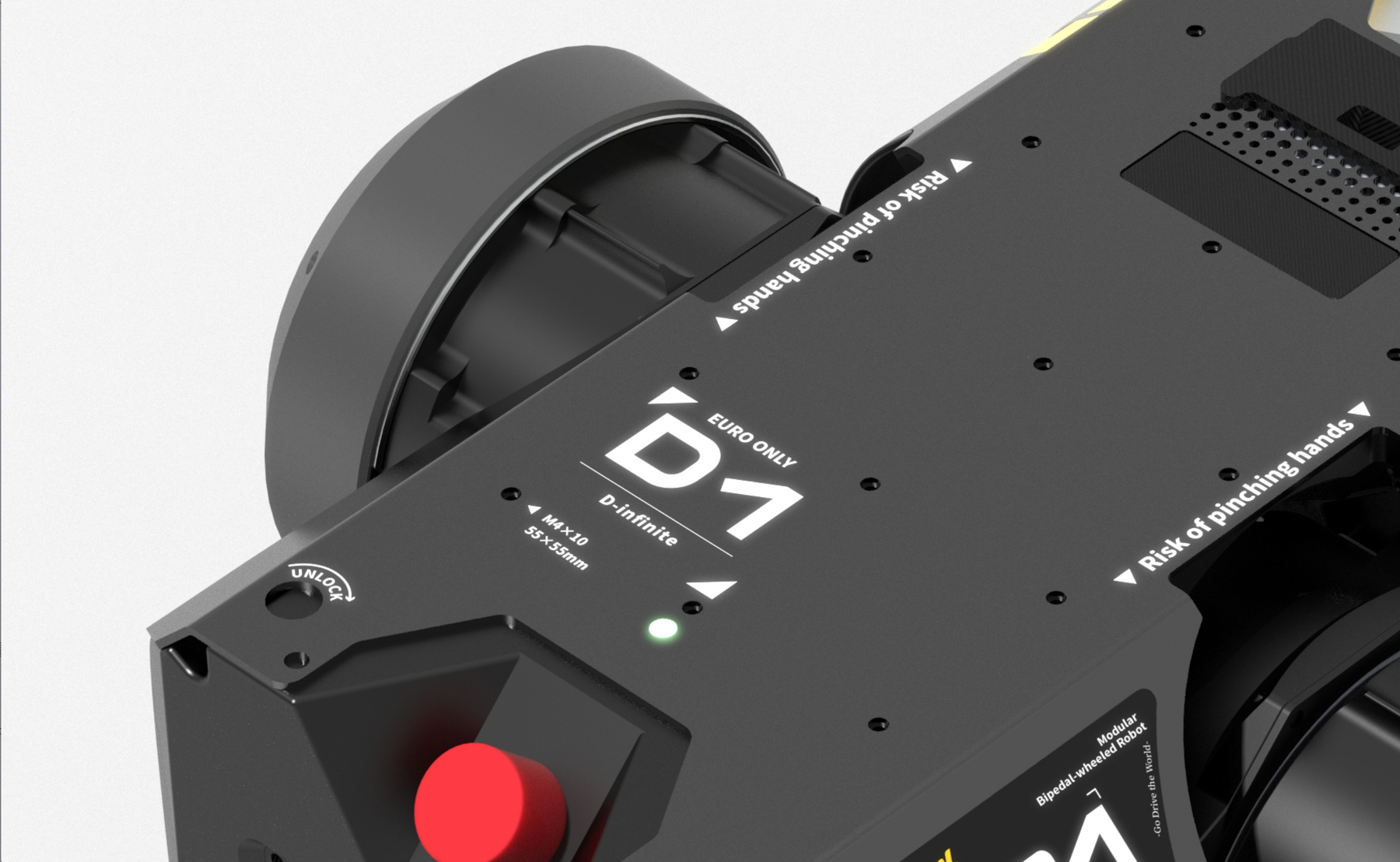
The same approach applies to specialized equipment development. For example, companies creating robotic systems may require custom housings, protective covers, or mechanical components that must pass repeated testing. A product such as a D1 robot for inspection and rescue requires reliable mechanical structures, and prototype molds can help engineers evaluate component fit, durability, and manufacturing suitability before larger production stages.
Precision inspection is another important part of prototype mold production. Small dimensional differences can affect assembly performance, especially for components with multiple connected parts. Professional prototype mold suppliers use measurement equipment to confirm whether manufactured parts match digital designs.
For precision components, tolerances may need to reach ±0.05 mm or tighter depending on product requirements. Inspection procedures may include dimensional measurement, surface quality evaluation, and functional assembly checks.
| Inspection Item | Purpose |
|---|---|
| Dimensional measurement | Confirm part accuracy |
| Surface inspection | Evaluate appearance quality |
| Assembly testing | Check component compatibility |
| Mold testing | Confirm molding performance |
A reliable inspection process provides engineers with accurate feedback. When prototype samples match design requirements, companies can move toward production tooling with greater confidence and fewer unexpected adjustments.
Cost management is another factor influencing prototype mold selection. Developing final production tooling before confirming product design can create additional expenses if modifications are needed later. Prototype molds provide a lower-cost method for evaluating ideas before large investments.
For startups and established manufacturers, prototype tooling creates a practical development path. A company can test market response, collect customer feedback, and improve product details without immediately producing large quantities.
Manufacturing experience also affects prototype project results. Mold design involves many technical decisions, including shrinkage control, cooling design, material behavior, and machining methods. Suppliers with strong engineering knowledge can provide suggestions that improve manufacturability.
Qlution Mold works with customers during the design stage to review product models and identify possible manufacturing concerns. This cooperation helps avoid problems such as difficult demolding structures, uneven wall thickness, or unnecessary machining complexity.
Modern product development also requires better communication between design teams and manufacturing partners. Digital drawings, 3D files, and engineering feedback need to move efficiently between different teams. Clear communication reduces revision time and improves project efficiency.
A well-organized prototype mold process may reduce development cycles by 30% or more compared with repeated manual adjustments. In competitive industries, shorter development periods allow companies to introduce products faster and respond to market requirements more effectively.
Prototype mold design also supports product testing beyond appearance checks. Companies can evaluate thermal performance, mechanical strength, user interaction, and assembly procedures using actual molded parts. This provides more reliable information than computer models alone.
For example, medical device manufacturers often require multiple prototype rounds before approval testing. Automotive companies may create dozens of prototype components during vehicle development programs. These applications show why accurate prototype molds remain widely used across global manufacturing industries.
Qlution Mold combines design capability, manufacturing technology, and engineering support to help businesses create reliable prototype parts. Through efficient mold development, precise machining, and practical testing support, companies can improve product quality while controlling early development costs.
As product requirements continue becoming more complex, prototype mold design provides companies with a flexible method for testing and improving new products. Working with an experienced supplier allows businesses to move from digital concepts to physical products with better accuracy, shorter timelines, and more controlled development processes.